
 |
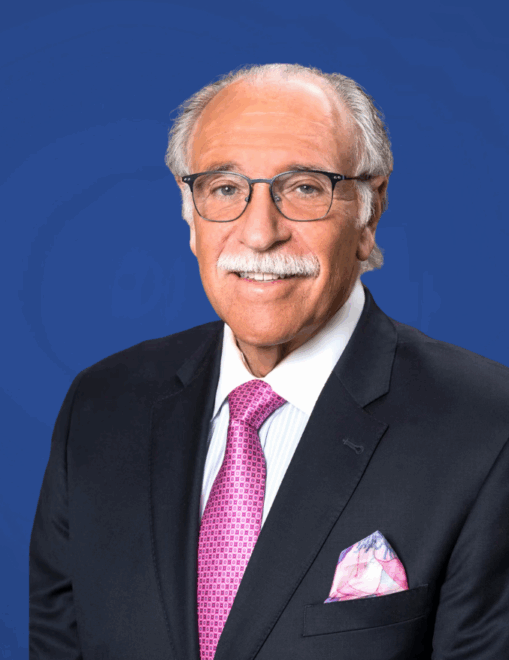
Published August 28, 2026 Author: Elliot Steinmetz Partner and Director, Complex Real Estate Transactions and Finance at Abrams Fensterman, LLP |
Commercial Real Estate Transactions & Financing
Commercial real estate transactions often require the coordination of acquisition terms, financing, ownership structures, development plans and multiple sources of capital. Legal counsel may be involved from the earliest stages of structuring and due diligence through financing, documentation and closing.
Led by Elliot Steinmetz, the firm’s Real Estate Transactions and Financing practice advises clients on acquisitions and dispositions, financing and refinancing, development projects, bridge and construction loans, mezzanine financing, preferred equity, joint ventures and complex capital structures. Our attorneys work with clients from the initial structuring of a transaction through due diligence, documentation, financing and closing.
Commercial Real Estate Transactions & Financing Services
Abrams Fensterman represents purchasers, sellers, developers, investors, borrowers, lenders and other real estate market participants in sophisticated commercial real estate transactions and financing matters. Our attorneys advise clients throughout the transaction lifecycle, from initial structuring and letters of intent through due diligence, financing, documentation and closing.
Our attorneys advise clients on sophisticated commercial real estate transactions involving multifamily portfolios, office properties, healthcare facilities, development assets, leasehold interests and other commercial real estate investments, including:
- Acquisition financing
- Bridge financing
- Closing coordination
- Commercial real estate acquisitions and dispositions
- Construction loans
- Conventional mortgage financing
- Development transactions
- Due diligence, title and survey matters
- Ground lease and leasehold transactions and financing
- Intercreditor arrangements
- Joint ventures, equity investments and ownership structures
- Loan modifications and workouts
- Mezzanine financing
- Portfolio transactions
- Preferred equity
- Purchase and sale agreements
- Refinancing and recapitalizations
- Sale-leaseback transactions
- Senior mortgage debt
- Transaction and financing documentation
- Transaction structuring and letters of intent
Explore Real Estate Acquisitions & Sales →
Commercial Real Estate Financing
Commercial real estate financing may involve debt, equity or multiple layers of capital structured around the economics and objectives of a particular investment. Abrams Fensterman represents borrowers, lenders, developers, investors and other transaction participants in financing acquisitions, development projects, refinancings and recapitalizations.
Our attorneys advise clients on conventional mortgage financing as well as more sophisticated structures involving bridge loans, construction loans, mezzanine financing, preferred equity, joint-venture capital and combinations of senior and subordinate capital.
The financing strategy should support the underlying transaction and the client’s broader investment objectives. Our attorneys therefore evaluate financing within the context of the acquisition, ownership structure, development plan, anticipated operations and potential exit strategy.
Lenders
Abrams Fensterman represents lenders in commercial real estate financing transactions involving mortgage loans, acquisition financing, refinancing and other credit facilities secured by commercial real estate.
Representation may include structuring and documenting the loan, reviewing organizational and ownership matters, conducting real estate and collateral due diligence, negotiating guaranties and other credit support, addressing title and survey matters and coordinating the transaction through closing.
Because financing arrangements may later involve modifications, workouts, defaults or enforcement issues, our transactional attorneys can also draw on the firm’s broader commercial real estate and litigation capabilities when circumstances change during the life of an investment.
Borrowers, Developers & Investors
Our attorneys represent borrowers, developers, property owners, investors, joint ventures and other sponsors in obtaining and structuring financing for acquisitions, development projects, refinancing and recapitalizations.
Borrower-side representation requires more than negotiating an interest rate or maturity date. Financing terms can affect ownership rights, distributions, future borrowing, development decisions, leasing, transfers, additional capital requirements and the ultimate disposition of the asset.
Abrams Fensterman works with clients to evaluate financing within the broader economics of the transaction and to coordinate loan documents with acquisition agreements, organizational documents, joint-venture arrangements and other components of the investment.
Real Estate Development
Abrams Fensterman counsels developers, owners and investors in new construction, redevelopment, repositioning and other significant commercial real estate projects. Development matters frequently require the coordination of acquisition, financing, ownership, construction, leasing, neighboring-property access and operational considerations.
Our attorneys work with clients to coordinate these interrelated components of a development project, drawing on the firm’s broader real estate, transactional and litigation capabilities as needed.
Commercial Real Estate Financing Structures
The appropriate capital structure depends on the property, transaction, development plan, investment objectives and available sources of capital. Financing arrangements may include:
- Permanent and Acquisition Financing: Mortgage and other financing used to acquire or refinance stabilized commercial real estate.
- Construction Financing: Financing structured around the development or substantial redevelopment of real estate, including funding conditions, construction milestones and completion requirements.
- Bridge Financing: Shorter-term financing that may be used for acquisitions, transitional assets, redevelopment, lease-up or other circumstances in which permanent financing may not yet be appropriate.
- Mezzanine Financing: Subordinate financing generally positioned between senior mortgage debt and sponsor equity, often requiring careful coordination of collateral, remedies and intercreditor rights.
- Preferred Equity: Equity capital providing negotiated economic, governance, priority and enforcement rights that may be used alongside senior financing and other sources of capital.
- Joint Ventures and Equity: Ownership and investment structures involving capital commitments, distributions, governance rights, decision-making authority, remedies and exit provisions, including arrangements used to combine sponsor, investor and other equity capital in acquisitions and development projects.
- Refinancing and Recapitalization: Transactions designed to replace existing debt, restructure the capital stack, introduce new capital or reposition an investment.
Complex Transactions Across the United States
Although Abrams Fensterman is headquartered in New York, members of the firm’s Real Estate team have experience advising clients on sophisticated transactions involving properties and investments throughout the United States. These matters may require coordination among transaction counsel, local counsel, lenders, title professionals and other advisors in multiple jurisdictions.
The team’s experience includes significant acquisitions, portfolio transactions, development matters and financings involving commercial real estate assets in New York and markets across the country.
Representative Experience
Why Abrams Fensterman?
Complex commercial real estate matters require counsel who understand the property, the transaction and financing structure, and the client’s broader business objectives. Abrams Fensterman’s Real Estate attorneys focus on practical execution, identifying issues early, coordinating the various components of a matter and helping clients move efficiently from negotiation and due diligence through financing and closing.
As part of a full-service law firm, our Real Estate attorneys can collaborate with lawyers across the firm’s Corporate, Commercial Litigation, Health Law, Employment and other practices when a matter involves broader legal or business considerations. The team also works closely with the firm’s Real Estate Litigation practice, led by Rachelle Rosenberg, giving clients access to litigators who understand the underlying transaction when a financing arrangement, joint venture, development project, commercial lease or other real estate matter results in a dispute.
For complex matters involving multiple properties, jurisdictions, lenders, investors or layers of capital, this integrated approach allows the firm to address the interconnected legal and business issues that can arise throughout the lifecycle of a real estate investment.
Frequently Asked Questions About Commercial Real Estate Transactions & Financing
What is commercial real estate financing?
Commercial real estate financing refers to debt, equity or a combination of capital sources used to acquire, develop, refinance or recapitalize commercial property. Depending on the transaction, financing may include a conventional mortgage, acquisition loan, construction loan, bridge financing, mezzanine debt, preferred equity or multiple layers of capital.
Can commercial real estate financing include both debt and equity?
Yes. Significant commercial real estate transactions may use several layers of capital, including senior mortgage debt, mezzanine financing, preferred equity, sponsor equity and joint-venture investment. The agreements governing each component must be coordinated so the rights and obligations of the transaction participants are appropriately addressed.
When should a commercial real estate attorney become involved in a transaction?
Legal counsel is often most effective when involved during the early stages of transaction structuring, including letters of intent, acquisition negotiations, financing discussions and initial due diligence. Early involvement can help identify legal, financing, ownership and closing issues before substantial time and capital are committed.
What makes a commercial real estate transaction complex?
Complexity may arise from the size of the investment, multiple properties or jurisdictions, layered financing, joint-venture ownership, development requirements, ground leases, multiple lenders or investors, specialized asset classes, timing requirements or the need to coordinate several interdependent agreements and closing conditions.